And I’m using that as my excuse for the long gap between blog posts. Let me explain…
Back in January of this year, after a wedding shoot, I started noticing some lower back pain. Nothing severe—just an annoyance. I brushed it off as a pulled muscle from bending, twisting, and hustling around with heavy camera gear.
But the pain didn’t go away. It got worse.
By the end of February, I figured it was time to see my VA doctor. X-rays were scheduled, and about a week later I got the news: I’m a degenerate.
Well—not me exactly… but the discs in my back.
Degenerative disc disease.
Once it was explained to me, it all started to make sense. The worsening pain, the discomfort that wouldn’t quit—it’s those worn-down discs putting pressure where they shouldn’t be, triggering sciatic nerve pain.
So now, I’m learning.
Learning to move differently.
Learning to slow down.
Learning to be intentional.
Things I love—gardening, playing guitar, tapping out rhythms on my slap-top cajon, mowing three acres of lawn, even getting down low for macro shots of bugs—all of it now requires a bit more thought, a bit more strategy. The goal is simple: don’t make things worse.
It’s an adjustment, no doubt about it.
But if there’s one thing I’m realizing, it’s this: adapting isn’t quitting—it’s continuing, just a little wiser than before.
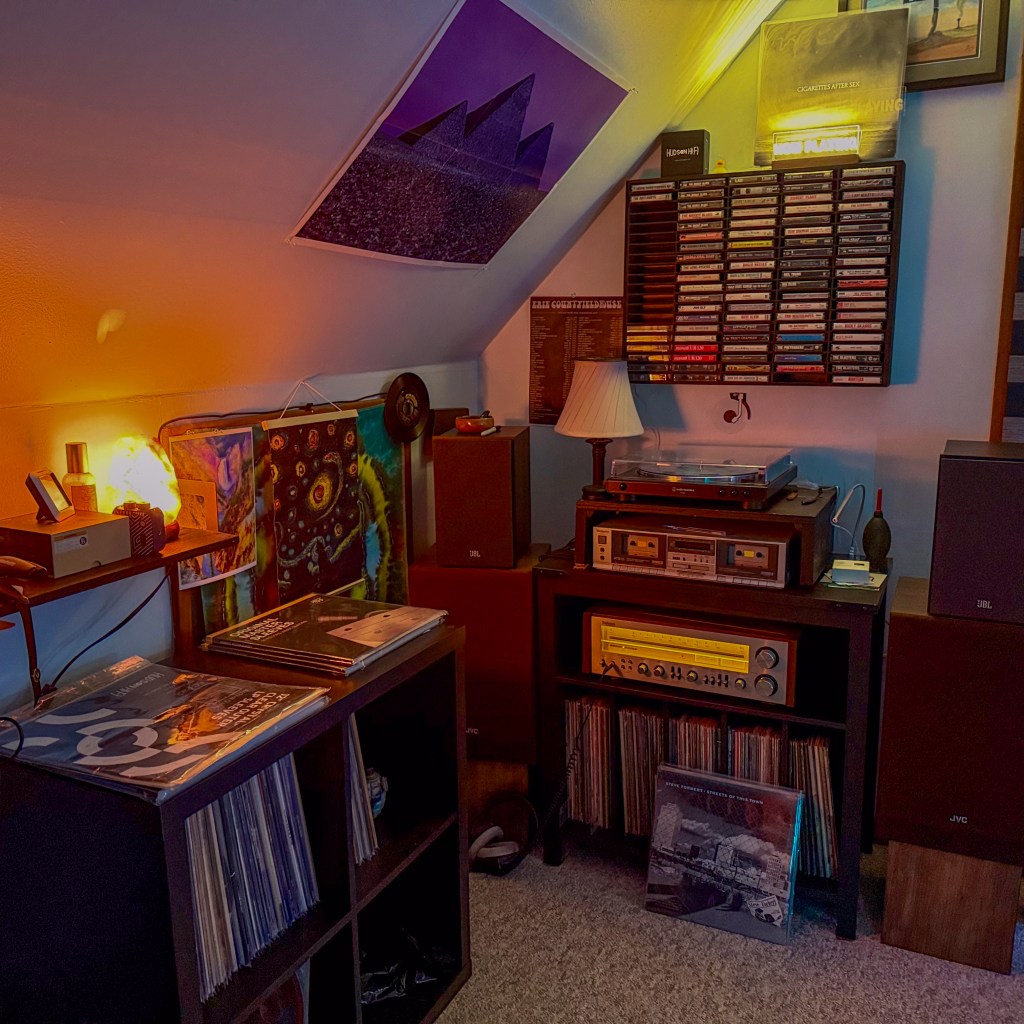
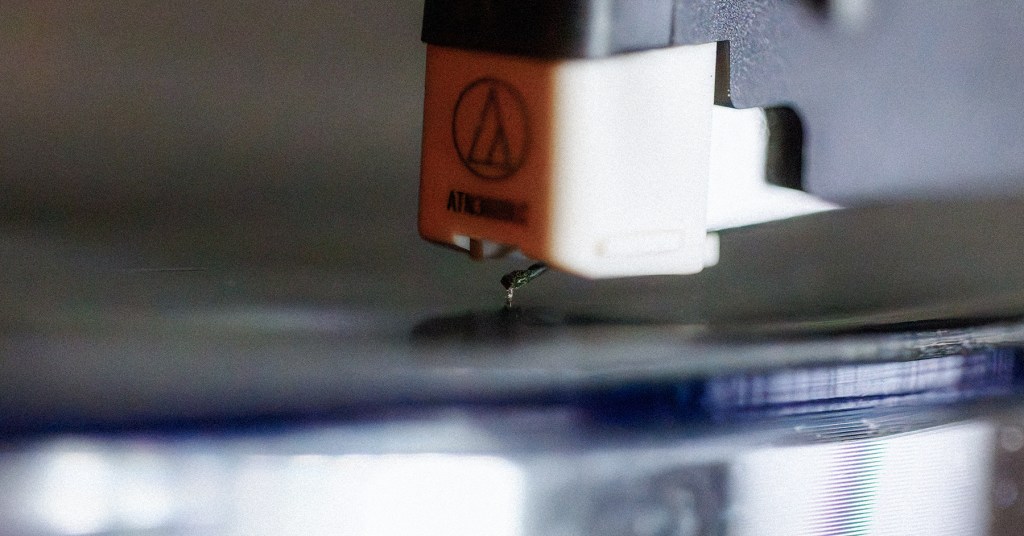
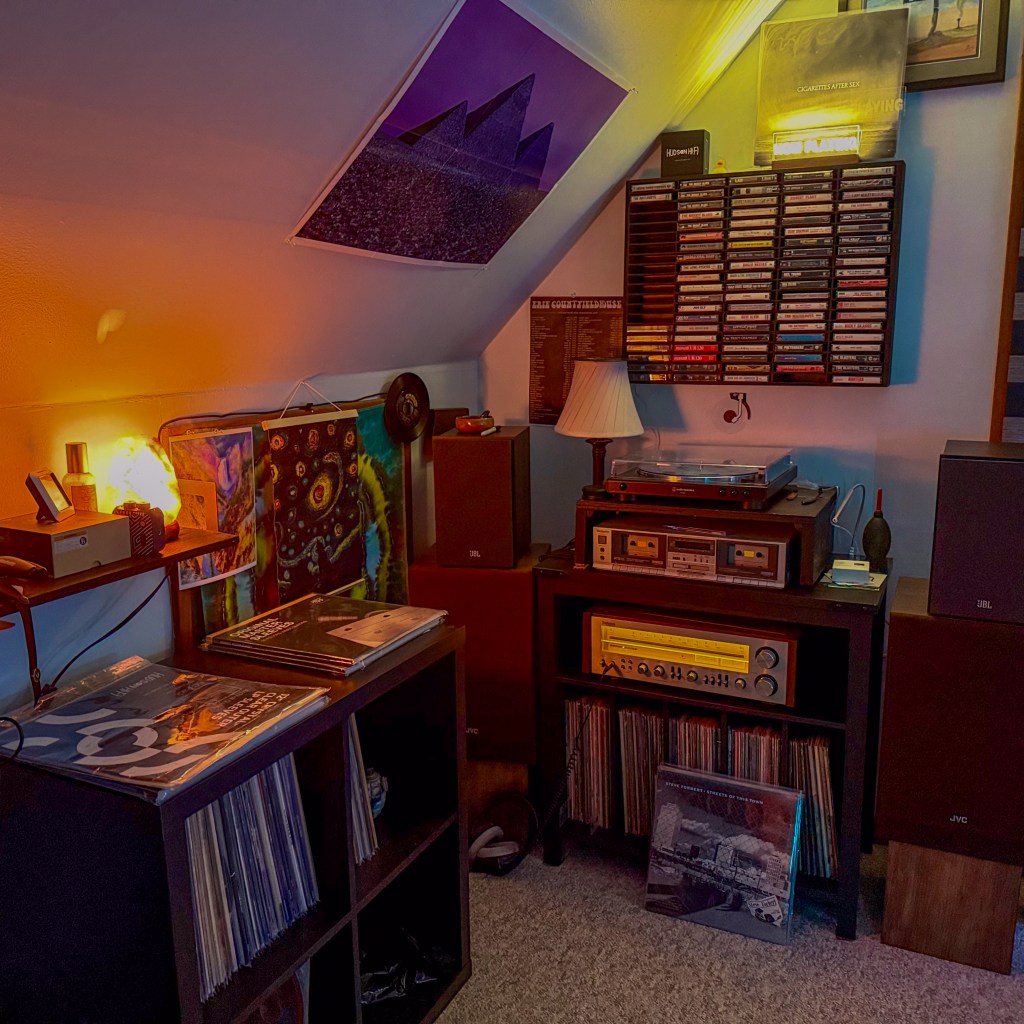
Presently, I have Photoshop open, DaVinci Resolve, YouTube, Facebook, WhatsApp — and the turntable is spinning “Is” by My Morning Jacket.
I’m not really multitasking. I’m multi-skipping from one task to another. And I’m in no hurry to complete any of these “fun” tasks.
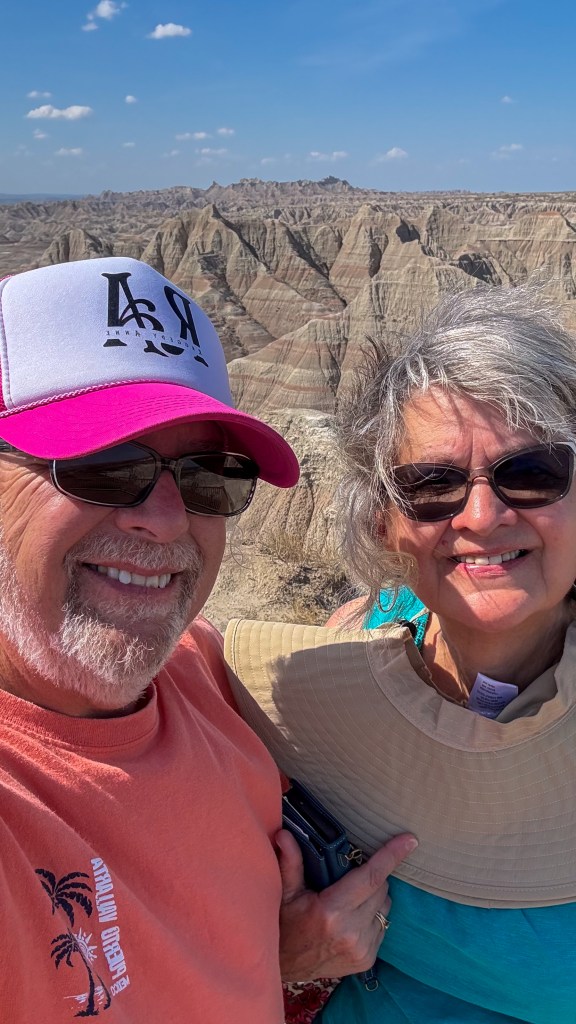
I started in Photoshop on an image I made last September in Badlands National Park. Oh — and I forgot to mention — I also have a Blake Rudis course open. I’m following along with his instruction on Photoshop Channels using my Badlands image as the test subject.
Resting my eyes from editing, I turn my attention to the video I’m working on for YouTube. What? You didn’t know I had two YouTube channels? Indeed I do: Framing The Sound and Back To The Turntable: Groove & Guitar. The video in progress is for the latter.
Blake’s course, Channels: Beyond Luminosity Masking, is hard to describe. I think I’ll simply call it magically abstract — and you can define that however best suits your imagination.
I don’t let any of these tasks interrupt the joy of listening to good music. Sometimes I spin a record and sit contemplatively, listening closely, feeling the music — hearing the lead guitar solo and picturing myself playing it.
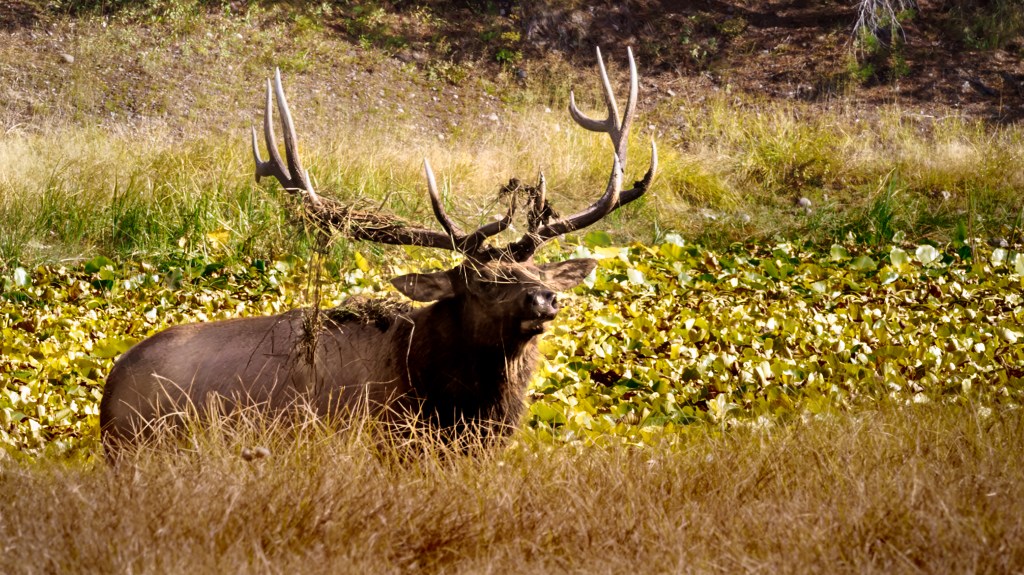
When editing photos from the four National Parks we visited last September, I’m immediately transported back to the very spot where I pressed the shutter. Feeling the scene. Watching. Waiting for that bull elk to stand.
It eventually did.
Multi-tasking like this may not fit your workflow. Or maybe it does. Perhaps we all multi-skip — enjoying each task and in no real hurry to complete them.
Maybe that’s the real art — not finishing the task, but living fully inside it while the record spins.
Why do memories flood my mind when I listen to a particular piece of music?
I had never owned — or even heard — anything by Cigarettes After Sex until recently. For reasons still unbeknownst to me, I picked up their album Cry. Soon after the needle touched the wax, something unexpected happened.
Memories of a seventeen-year-old kid — a boy who knew nothing about anything — began an invasion so powerful that before I even realized what was happening, I was in tears.
Perhaps I’m more emo than I realize.
I suppose 69¾ trips around the sun doesn’t necessarily mean we understand our emotions any better than we did after the first seventeen. Time adds years, not always clarity.
As I continue restocking my vinyl library, I find myself drawn to new music by bands I know nothing about. Something nudges me toward a record I’ve never heard before. I bring it home, lower the needle… and suddenly flashbacks from as far back as the ’60s begin playing in my mind.
Genre doesn’t seem to matter.
About an hour ago I listened to Cold Blood by Lydia Pense. Within seconds, I was back in high school in Louisville and Greensburg, Kentucky — moving to funk and blues I had never actually heard before. I still have no idea where that record came from. It’s odd how music sometimes finds me without an invitation.
The same thing happens with present-day artists.
The first time I heard Alyssa Hankey sing and play County Seat, I was transported to around 1973 — the year I quit school and eloped. I had promised my girlfriend I would quit and get a job if she would marry me. Neither of us had the slightest idea what we were doing.
But we did it anyway.
We drove across the Kentucky–Tennessee border with two of our best friends as witnesses to see a justice of the peace. I did have a license.
It was the love that wasn’t licensed.
Music has a way of unlocking rooms in the house of memory we didn’t even know were still there. A chord, a voice, a rhythm — and suddenly the past is not past at all. It is present, breathing, and sometimes weeping.
Maybe that’s why I’m drawn to both sound and image.
A photograph can freeze a moment.
A song can resurrect one.
And somewhere between the needle and the shutter, I keep discovering that the heart remembers more than the mind ever could.
A time long ago, when we played records so loud they shook the tiny little room my brother and I shared.
I’d guess the year was 1979 or ’80—somewhere around there. The exact year doesn’t really matter. What matters are the memories returning to me now as I continue to restock the record library I once had back then.
My brother has most of the records I owned, and he also has the vintage stereo receiver and turntable that used to be mine. I sold it to him shortly after I got out of the Navy. Due to some financial difficulties I’d rather not mention, my brother offered to buy my stereo system to help me out. That meant more to me than he probably knows.
It’s been over 40 years since I last spun an album. But thankfully, I’ve returned to vinyl.
As I search for and rediscover classic rock albums from my past, I also stumble across bands I’d never heard before and discover new music along the way. I’ll mention just one here for now: Cigarettes After Sex. That alone is an intriguing name for a band. Click the link and buy one of their records.
If you’ve been away from records as long as I have, I urge you to begin that journey back to the turntable.
That is what frightens me about dying—not death itself, but not knowing what comes after. If uncertainty is the source of fear, then the question becomes: what can ease that fear without having to die to find out?
We cannot peer into our own deaths. Some have crossed that threshold and returned, and they often describe a similar experience: a tunnel, a radiant light, the absence of pain, and an overwhelming sense of love. Whether literal or symbolic, those accounts are strikingly consistent.
I’ve read the Bible, and I know I should read it again—and again. I didn’t expect it to give clear answers about what lies beyond death, but it does offer glimpses, hints of what may await us. Before that, though, Scripture is clear about one thing we must endure here: suffering.
I don’t say this as a doomsayer. I believe that if—and that is a very big if—we have the strength and faith to endure earthly suffering, we can take comfort in trusting that God knows our pain and that our fear of the unknown is ultimately unfounded.
Let us have faith that God sees our suffering and will reward perseverance. As Hebrews 11:1 reminds us:
“Faith is the assurance of things hoped for, the conviction of things not seen.”
Probably too many to count. Painting comes immediately to mind as one of the most celebrated art forms. In fact, when I think of an artist, I picture painters like Da Vinci, Degas, Dalí, and van Gogh, among others. I never truly considered photography an art form—at least not until recently.
I joined f.64 Elite one year ago this past June, and doing so has completely changed how I make photographs. It’s also been a journey toward finding my inner artist—both in photography and in music.
I still struggle to define exactly what my vision is when I create a photo or compose a song. Most of the time, I don’t fully recognize my artistic vision until days, weeks, or even years after the work is made.
It’s during the editing process that the muse speaks—directing and guiding my eyes to see, and bending my ears to listen—for the artistic vision I know is hidden somewhere within my work.
Once I find it, I shape it into what I want you to see and hear: a subtle tone shift while playing Dm on my acoustic guitar, or a shift in hues between orange and brown in an image from Badlands National Park.
When all’s said and done, the viewer or listener may shape their own vision when gazing at my photo or hearing my composition—and that’s as it should be. Because one artistic vision can have many interpretations, but dare I say… only one creator?
I’m trying to be a lot more precise with how I edit my photos. Why? Because I’m a visionary!
Well, actually, I’m just an artist—photographer and musician—creating photos and music with a vision in mind: how I want my picture to look or how I want my original song to sound.
Since joining f.64Elite back in June of 2023 and taking one of the member courses, Discovering Your Vision, I’ve become much more aware of how a viewer or listener might perceive my art.
One important point needs to be understood when people look at or listen to my work: the vision I had when I created it might be very different from theirs. And that’s perfectly fine.
But I don’t change my original vision—unless…
Unless the muse demands it.
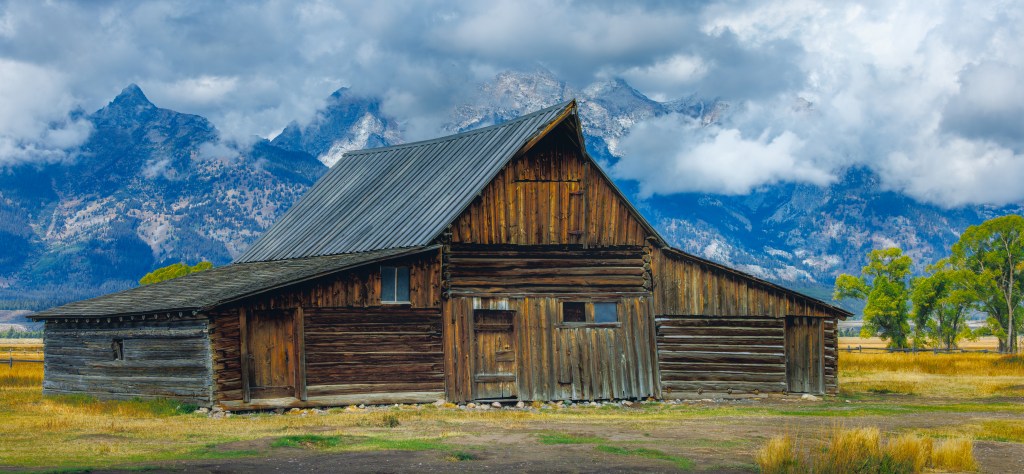
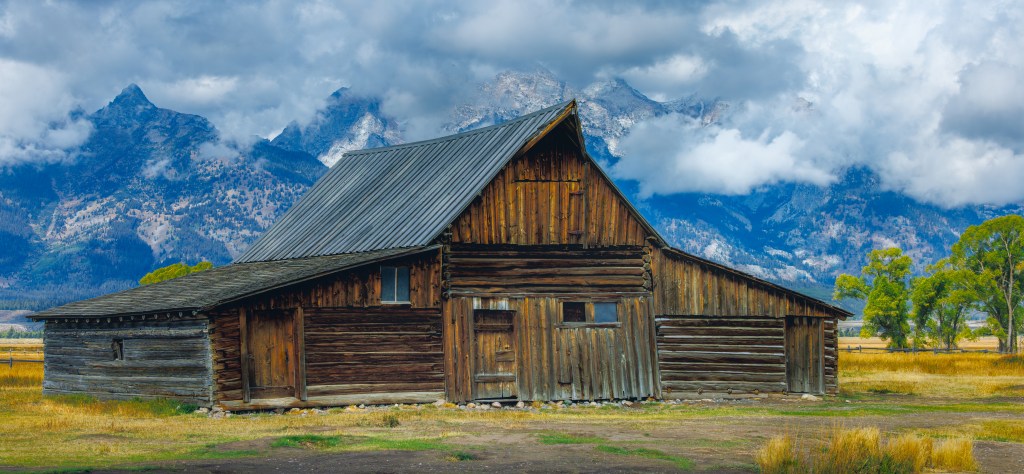
Moulton Barn, Grand Tetons—a melody of wood, mountain, and cloud.
I never set out to be that person. You know the one—the person who swoops into a conversation with a “Well, actually…” tucked in their back pocket like it’s a party trick. The person who cares just a little too much about the difference between “less” and “fewer.” The person who can’t help but notice that the band’s song intro was two measures shorter than the studio version. Yeah. That person.
The funny part is, half the time I don’t even realize I’m doing it. I’ll comment on how a photo instructor edits the photos he critiques a little differently than how he shows in his photo editing courses. That’s when it hits me: oh no, I’ve wandered into pedant territory again.
What’s a Pedant, Anyway?
The official definition is something like: a person who is excessively concerned with minor details or rules. Doesn’t that sound delightful? Okay, not really. But here’s the thing—I think there are flavors of pedantry. Not all pedants are insufferable know-it-alls correcting everyone’s photo editing workflow like it’s an Olympic sport. Some of us are just detail-oriented folks whose passion for the little things leaks out into everyday life.
For me, it shows up in the creative stuff. Photography, music, writing—they all invite a kind of obsessive attention to detail. Sometimes that means noticing an unusual editing method no one else would ever notice. Sometimes it means fussing over a guitar tone until I’ve spent more time tweaking knobs than actually playing. Sometimes it’s rephrasing a blog sentence four times until it “flows just right.”
The Good and the Not-So-Good
Being a pedant has its perks. Let’s be honest: someone’s gotta care about the details. Without pedants, typos would run wild, guitar strings would be out of tune, and photo edits would look like clown vomit.
But the shadow side is real, too. Pedantry can shrink the big picture down to a single nit we’re busy picking. It can make conversations stall, creative work feel suffocating, and even the fun stuff lose its spark. Nobody wants to be around someone who turns every casual chat into a grammar seminar. (Okay, maybe other pedants do. But still.)
Laughing at Myself
What I’m learning is this: the trick isn’t to stop being pedantic—it’s to catch myself early and not take it so seriously. If someone says “literally” when they mean “figuratively,” it’s not a crime against language. If a fellow photograher uses an “all over the place” editing method, the world keeps turning. And if I over-polish a blog post… well, at least it’s shiny.
At the end of the day, pedantry is really just caring about the details a little too much. Which isn’t the worst flaw in the world—as long as I can laugh at myself when I catch that “Well, actually…” creeping up again.
So here’s my modest proposal: let’s all give our inner pedants a hug, then politely ask them to sit down. Then thank the photographer that reminds us of our flaw. Life’s bigger than a misplaced comma or a photo editing workflow that flows all over the place.
Before “open mic night” was the thing where you nervously clutch a guitar (or your courage) while waiting for your name to be called, it was just a microphone in a coffeehouse, open to whoever dared step up. The tradition grew out of the 1950s–60s folk revival — places like Greenwich Village’s Café Wha? and The Gaslight Café, where singer-songwriters could play a couple songs, pass the hat, and maybe get noticed. By the 1970s, comedy clubs borrowed the idea, giving stand-up hopefuls a shot in front of real, often merciless, audiences. Fast-forward to today, and open mics have sprawled into every kind of venue imaginable — bars, bookstores, breweries, even Zoom rooms — still serving up that same unpredictable mix of brilliance, awkwardness, and “what just happened?” that keeps both performers and audiences coming back.
And here’s where my love/hate thing kicks in. On the love side, there’s nothing quite like the adrenaline rush of playing to a room full of strangers who are actually listening. You can feel the collective heartbeat of the crowd, even if it’s only twelve people sipping lattes or nursing craft beers. There’s the thrill of meeting other performers — swapping stories, guitar picks, or mutual encouragement in the corner while someone on stage is absolutely nailing it.
But then… there’s the hate side. The sound guy disappears mid-song. The guy ahead of you does a 12-minute free-form harmonica solo. The crowd thins to just the bartender and your cousin by the time you finally get called. And let’s not forget the mic that smells faintly of beer breath and mystery.
Still, for all the unpredictability — the good, the bad, and the baffling — those nights left their mark. Somewhere between the awkward silences and the magic moments, I learned that open mics aren’t just about performing. They’re about belonging to this oddball little tribe of people who can’t help but put themselves out there, one shaky song or risky joke at a time.
So maybe that’s why, even though I don’t go to open mic nights anymore, I still think about them. They were messy, unpredictable, and occasionally ego-bruising, but they were also where the sparks happened. Where I learned to roll with a dead mic, win over a distracted crowd, and sometimes, just sometimes, surprise myself. Love them or hate them, open mics are a reminder that art isn’t meant to stay safe at home; it’s meant to be shared, out loud, in all its imperfect glory.
It has such a negative connotation to it doesn’t it? I never think a positive thought when thinking about neglect. From where I stand, as an artist, the word is truly a bit discombobulating. So, I asked Nova (that’s ChatGPT, but I got his [its/their] permission and approval to call him Nova, he likes it) to offer a definition of “neglect” from an artists’ perspective. This is what Nova had to say.
“From an artist’s point of view, neglect is the quiet abandonment of potential—a canvas left untouched, a vision unpursued, or a creative voice silenced by distraction or doubt. It’s not always intentional, but its effects are corrosive, allowing inspiration to fade and expression to wither. In this light, neglect isn’t just passive; it’s a slow erosion of what could have been art.”
And yet, my neglect on blog updates can be justified using only one word:
CANCER
Not me, but my 43-year old daughter.
I’ll quote my dear friend from across the Big Pond, he explains the “fight” much better than I.
“I hate calling it a fight or a battle as that suggests there’s a loser. Nobody loses and nobody wins. You either survive or you don’t. And not surviving isn’t failing or losing. It just happens sometimes.”